UK stamp duty in 2025/26: the Budget didn't touch it — a new property tax did
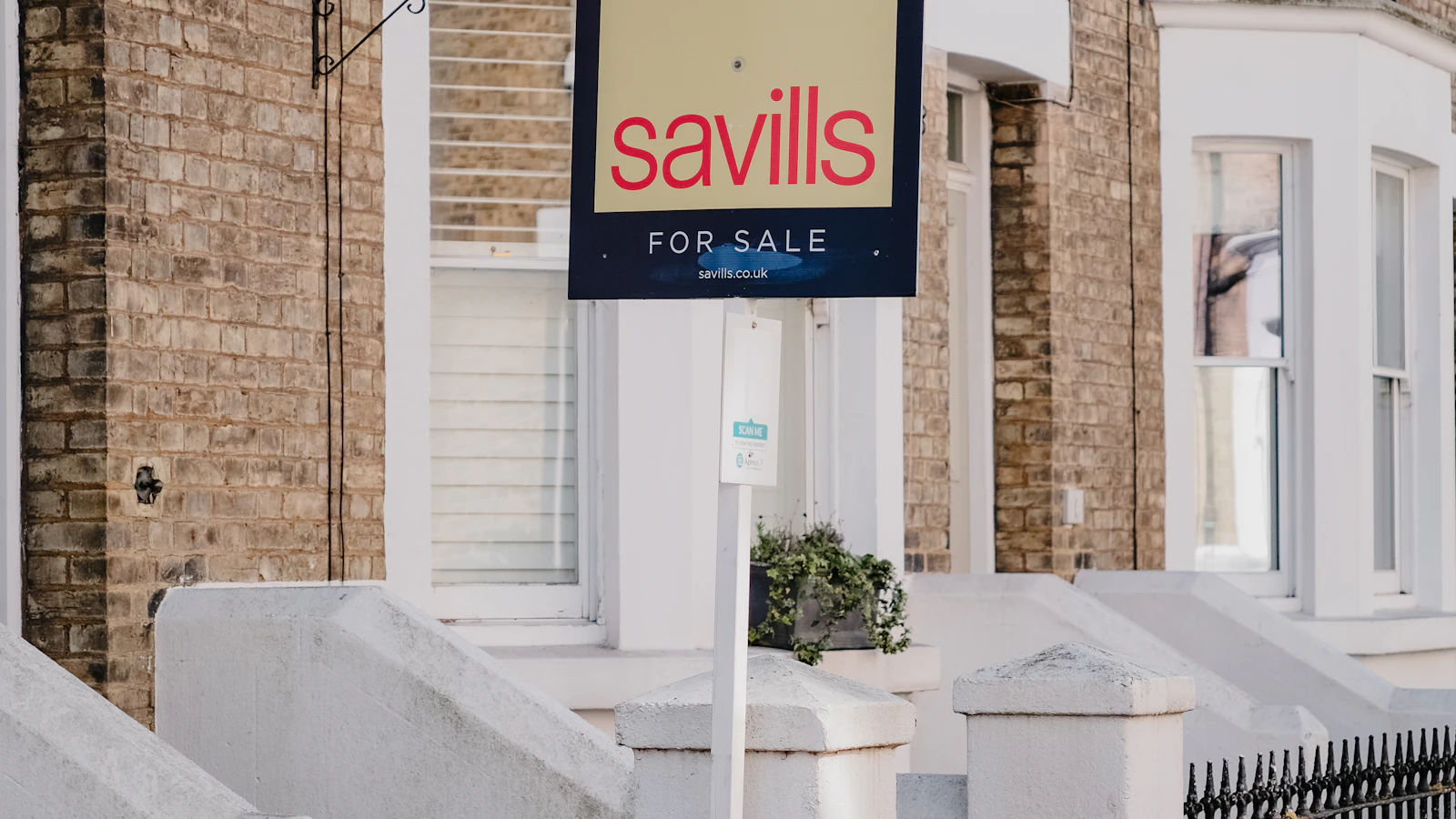
Photo by Samuel Regan-Asante · Unsplash
Stamp duty reform was one of the most widely tipped measures ahead of the Autumn Budget 2025. It didn't happen. Here are the thresholds actually in force for the rest of 2025/26, and the new annual charge on expensive homes the Budget introduced in its place.
Stamp Duty Land Tax was one of the most confidently predicted targets of the Autumn Budget on 26 November 2025, and it came through untouched. The thresholds that took effect on 1 April 2025 — a £125,000 nil-rate band for most buyers and £300,000 for first-time buyers — still apply for the rest of the 2025/26 tax year and beyond, with no change announced. What the Budget did instead was leave SDLT alone and introduce a completely different, recurring property tax aimed at a much smaller number of much more expensive homes. The two are easy to conflate in headlines; they work nothing alike.
The 2025/26 bands, exactly as they were
SDLT applies in England and Northern Ireland on residential purchases above a threshold, charged in slices — each band only taxes the portion of the price that falls inside it. For a standard purchase, these are the rates that have applied since 1 April 2025 and remain unchanged after the Budget:
| Portion of price | Rate |
|---|---|
| £0 – £125,000 | 0% |
| £125,001 – £250,000 | 2% |
| £250,001 – £925,000 | 5% |
| £925,001 – £1,500,000 | 10% |
| above £1,500,000 | 12% |
These figures are published directly by HM Revenue and Customs on GOV.UK, and nothing about them changed on Budget day.
First-time buyer relief, also unchanged
First-time buyers get a nil-rate band up to £300,000, then 5% on the slice between £300,001 and £500,000 — provided the total price does not exceed £500,000. Above that price the relief does not taper; it simply stops applying, and the buyer pays the standard rates from £0 like anyone else. On a £350,000 purchase, that means £2,500 due — nothing on the first £300,000, then 5% on the remaining £50,000. None of this moved at the Budget.
The second-home surcharge, unchanged too
Buyers who will own two or more residential properties at the end of completion day still pay an additional 5 percentage points on every band, a rate that rose from 3% on 31 October 2024 and was not revisited this time. On a £350,000 second home, that works out to £25,000 in total stamp duty — £7,500 at standard rates plus a flat £17,500 surcharge on the whole price, including the portion that would otherwise be tax-free. The surcharge applies whether the buyer is an individual or a limited company, and is not avoided by the purchase structure.
Why stamp duty was tipped for reform, and wasn\'t
In the months before the Budget, several outlets reported that the Chancellor was considering replacing SDLT on higher-value homes with an annual, proportional property tax — partly to address the long-standing criticism that a one-off transaction tax discourages people from moving house at all. That specific reform did not appear in the final Budget. What did appear was narrower: a new surcharge that sits alongside stamp duty rather than replacing any part of it, aimed only at the small number of homes worth £2,000,000 or more.
What the Budget did instead: a new annual charge on £2,000,000+ homes
The Autumn Budget introduced a High Value Council Tax Surcharge, due to start in April 2028, charged annually on homes worth £2,000,000 or more at 2026 valuations:
| Property value (2026 prices) | Annual surcharge |
|---|---|
| £2,000,000 – £2,500,000 | £2,500 |
| £2,500,000 – £3,500,000 | £3,500 |
| £3,500,000 – £5,000,000 | £5,000 |
| above £5,000,000 | £7,500 |
The surcharge falls on the owner rather than the occupier, is billed through the council tax system even though the money goes to central government, and is revalued only every five years. The Treasury expects it to affect fewer than 1% of homes in England and to raise around £430,000,000 a year from 2028/29. Full detail is on GOV.UK's High Value Council Tax Surcharge consultation page.
A one-off tax and a recurring one, side by side
It is worth being precise about what these two taxes actually are, because they are easy to blur together. Stamp duty is paid once, at completion, and is a fixed cost of the transaction itself — a buyer at £2,200,000 still pays SDLT on the full slice-based table above, exactly as before the Budget. The new surcharge is a separate, recurring annual bill that starts in 2028 and keeps being charged every year the owner holds the property, regardless of whether it is bought or sold in between. A buyer completing on a £2,200,000 home today pays stamp duty under the unchanged 2025/26 rules now, and — if they still own it in April 2028 — an additional £2,500 a year on top from that date, since £2,200,000 falls in the surcharge's lowest band. Neither tax replaces the other; from 2028 they simply both apply.
Stamp duty is one line in a bigger number
Whatever the Budget did or didn\'t change, stamp duty still typically sits alongside legal fees, a survey, lender fees and moving costs, all due around the same completion date. The closing costs calculator puts stamp duty next to those other costs so the total cash needed at completion is one number, rather than a series of separate bills that arrive at the same time.
Sources
This is general information, not tax or legal advice. It covers residential SDLT in England and Northern Ireland only — Scotland and Wales run separate land transaction taxes with their own bands and surcharge rates. For a decision about a specific purchase, speak to a solicitor or conveyancer.