UK stamp duty in 2026: the lower thresholds, and a higher surcharge
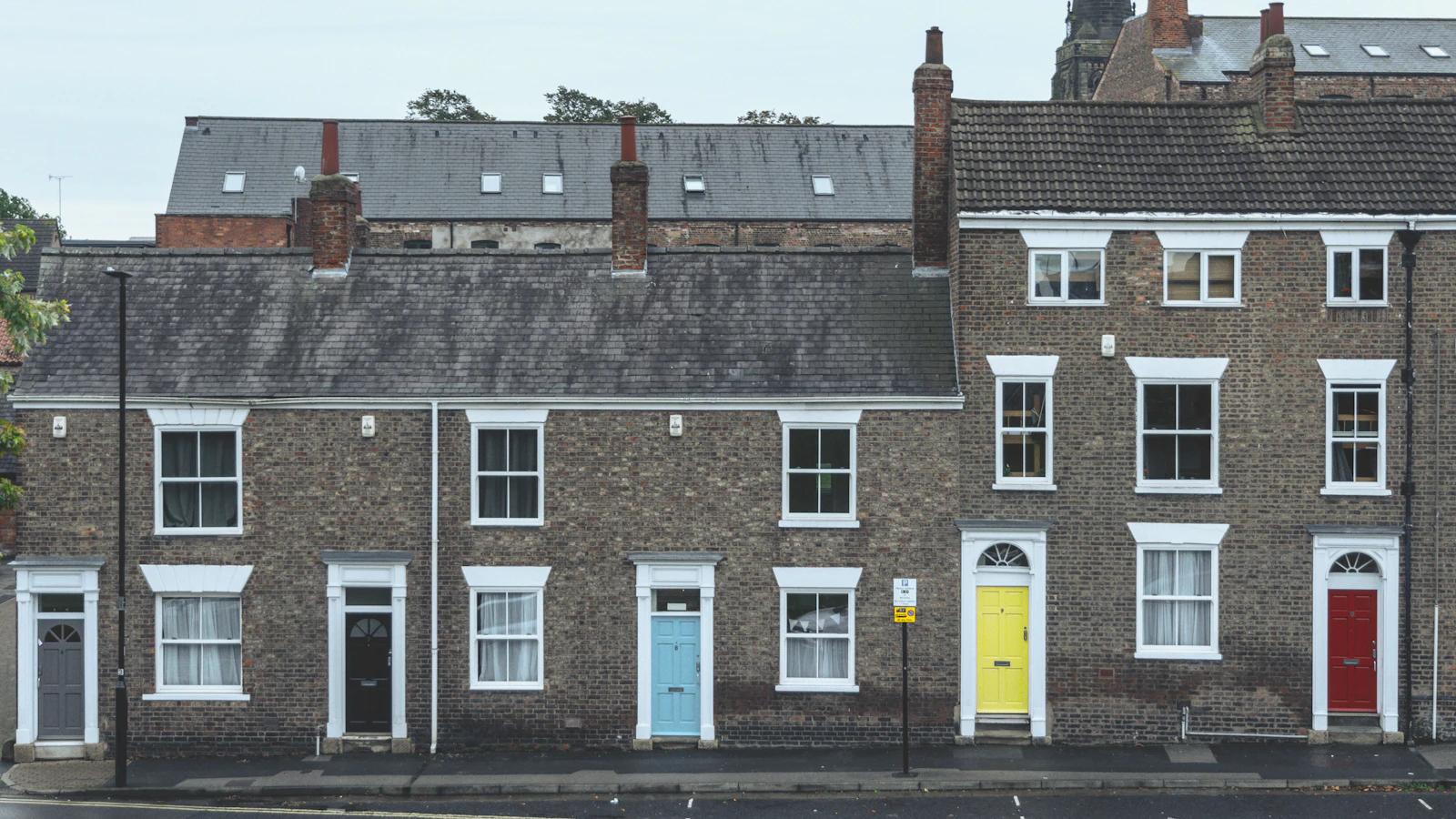
Photo by Gonzalo Facello · Unsplash
The higher stamp duty thresholds introduced in 2022 expired on schedule in April 2025, and the surcharge on second homes went up separately. Here is exactly what a purchase costs under the 2026 rules.
On 1 April 2025, the higher stamp duty thresholds introduced in September 2022 expired on schedule, and the standard nil-rate band fell from £250,000 back down to £125,000. A first-time buyer purchasing a £350,000 home, who would have paid nothing in stamp duty under the 2022-2025 rules, now pays £2,500 on the identical purchase. Nothing about this was a surprise — it was the sunset date written into the original 2022 measure — but it changes the arithmetic on every purchase completing from 2026 onward.
The stamp duty bands now in force
Stamp Duty Land Tax (SDLT) applies in England and Northern Ireland on residential purchases above a threshold, charged in slices — each band only taxes the portion of the price that falls inside it. For a standard purchase from 1 April 2025 onward:
| Portion of price | Rate |
|---|---|
| £0 – £125,000 | 0% |
| £125,001 – £250,000 | 2% |
| £250,001 – £925,000 | 5% |
| £925,001 – £1,500,000 | 10% |
| above £1,500,000 | 12% |
First-time buyers get a nil-rate band up to £300,000, then 5% on the slice between £300,001 and £500,000 — provided the total price does not exceed £500,000. Above that price the relief does not taper; it simply stops applying, and the buyer pays the standard rates above from £0. Both the standard and first-time buyer bands are lower than they were for the two and a half years before April 2025, when the thresholds sat at £250,000 and £425,000/£625,000 respectively. The current figures are published directly by HM Revenue and Customs on GOV.UK.
What a purchase costs now, compared with before April 2025
| Purchase price | 2026 standard buyer | 2026 first-time buyer | First-time buyer, pre-April 2025 |
|---|---|---|---|
| £150,000 | £500 | £0 | £0 |
| £300,000 | £5,000 | £0 | £0 |
| £350,000 | £7,500 | £2,500 | £0 |
| £500,000 | £15,000 | £10,000 | £0 |
| £925,000 | £36,250 | £36,250 (relief no longer applies) | £33,750 |
The last column is the point worth sitting with: a first-time buyer at £925,000 paid £33,750 under the old rules and now pays £36,250 — worse off not because the property got more expensive, but because the threshold that used to shelter part of the price moved beneath it. At £350,000, the change for a first-time buyer is the full difference between owing nothing and owing £2,500. The UK stamp duty calculator applies the current bands automatically to any price and buyer type.
A separate change: the surcharge went up too
Independently of the threshold reset, the surcharge charged on second homes and buy-to-let purchases rose from 3% to 5% on 31 October 2024, as part of that year's Autumn Budget. The surcharge is added to every band, including the portion that would otherwise be tax-free for a main residence — so on a £350,000 second home, the effective rate is 5% on the first £125,000, 7% on the next slice, and so on, rather than a flat top-up. Combined with the lower 2026 nil-rate band, a second home now attracts stamp duty from the first pound of the purchase price in a way a main residence does not.
| Portion of price | Standard rate | + 5% surcharge | Effective rate on a second home |
|---|---|---|---|
| £0 – £125,000 | 0% | +5% | 5% |
| £125,001 – £250,000 | 2% | +5% | 7% |
| £250,001 – £925,000 | 5% | +5% | 10% |
| £925,001 – £1,500,000 | 10% | +5% | 15% |
| above £1,500,000 | 12% | +5% | 17% |
The surcharge applies if, at the end of completion day, the buyer owns two or more residential properties anywhere in the world — it is not avoided by buying through a limited company, which pays the surcharge on nearly all purchases too. A common trap: someone selling their existing home and buying a new one on the same day does not owe the surcharge, but someone who completes on the new purchase before the old sale goes through does, temporarily, because they own two properties at that moment — with a refund available if the previous home is sold within three years.
Why this was scheduled, not sudden
The higher 2022 thresholds were introduced as a temporary measure in the September 2022 mini-budget, with an explicit end date of 31 March 2025 written into the legislation from the start. Anyone who read the small print at the time could have seen this coming, which is exactly why it is worth reading the small print on any "temporary" tax measure: a lower bill today is sometimes simply a bill deferred past an announced date, not a permanent change. The next date worth watching is whichever Budget next revisits SDLT thresholds — none has been announced for 2026 at the time of writing, but the pattern of the last several years suggests it is a question of when, not whether.
A decade of the same lever being pulled
The nil-rate band has now moved four times since 2014: raised from £125,000 in the 2014 reform that introduced the current slice-based system, raised again during the pandemic in 2020, raised a third time in the September 2022 mini-budget, and reset back to £125,000 in April 2025. Each move was framed at the time as either stimulus for a slowing property market or a return to a stable baseline, and each one changed the stamp duty bill on a typical first home by several thousand pounds without a single word being said about the property itself. Buyers who bought at any of those transition points paid a materially different amount of tax than buyers either side of them, purely on timing — worth remembering the next time a threshold change looks, on its own, like a minor technical adjustment.
Stamp duty is one line in a bigger number
It is easy to focus on stamp duty because it is the largest single tax on the transaction, but it typically sits alongside a mortgage arrangement fee, a survey, conveyancing fees and moving costs, all due around the same date. The closing costs calculator puts stamp duty next to those other costs so the total cash needed at completion is one number. Whether the purchase is affordable at all before any of that is a mortgage question — the mortgage affordability calculator and the repayment calculator answer that from the lending side.
This is general information, not tax or legal advice. It covers residential SDLT in England and Northern Ireland only — Scotland and Wales run separate land transaction taxes with their own bands and their own surcharge rates. For a decision about a specific purchase, speak to a solicitor or conveyancer.